
About Me
About The Author
Theodore G. Obenchain, MD
is a native Boisean. After gaining his pre-medical education in Idaho, he went on to graduate from the University of Utah College of Medicine, in 1962. He next completed a medical internship at Bellevue Hospital, New York City, in 1963, after which he served three years in the US Navy, completing tours in Okinawa, Japan, and US Naval Hospital, San Diego. Obenchain pursued his specialty training, most notably at the University of Minnesota, plus five years of neurosurgical specialty training at University of California Los Angeles, (UCLA), School of Medicine.
In 1973, Obenchain was appointed assistant professor of neurological surgery at University of California School of Medicine, San Diego. Here he taught medical students, performed research, and practiced neurological surgery for two years. Following that, he spent nearly thirty-five years in the private practice of neurological surgery in the San Diego area. two years in private practice in Boise, before moving his enterprise to north county San Diego, in 1977. Here he would remain for the next twenty-six years, providing neurosurgical services to a busy trauma service, consulting and evaluating neurological problems, and performing cranial and spinal operations. As a part of his practice Obenchain belonged to numerous neurosurgical societies, both regional and national, including his two-year stint as President of the San Diego Academy of Neurological Surgeons, 1990-1992.
Dissatisfied with the current state of the art of lumbar spinal surgery during this era of the 1970s, Obenchain was determined to make some improvements. He conceived of a radically different, microscopic, lateral approach to the spine, removing the offending ruptured disc through a natural side portal called the foramen. In the early 1990’s he began slowly perfecting this approach, while refining the requisite surgical instrumentation–in all, a ten-year odyssey. Early on, he was pleased to discover that the patient’s post-operative pain was so reduced that the procedure could be achieved consistently on an outpatient basis. In 2005, coincident with his retirement from active practice, Obenchain introduced this operative technique to a select cadre of spinal surgeons who, under the auspices of a major national spine company, taught the technique to practicing spine surgeons throughout the United States. This technique is now used extensively internationally for operative repair of herniated discs, lumbar arthritic conditions, and for performing lumbar fusions, all typically achievable on an outpatient basis.
In 2023, Dr. Obenchain was named a Distinguished Alumnus of Boise State University, (Arts and Sciences). With the passage of years, Dr. Obenchain has had time to reflect back upon his career with sincere gratitude. In light of that, he decided to pay something back to society by making a charitable contribution to Boise State University–The Dr. Theodore G. Obenchain Endowed Professorial Chair in Developmental Biology. This chosen professor will, among other duties, study the developmental influences of neural crest cells upon the brain and spinal cord in the early fetus.
Upon his retirement Obenchain met a new and unexpected challenge– an angst related to his inability to handle the intolerably slow pace of retired life. His dilemma continued until 2010 when he entered a program in non-fiction writing. Finally, with his master of fine arts degree in hand, he now felt better equipped to pursue in depth his new-found interest: the broad subject of Natural Science, especially as it evolved from primeval thought into an early state of modernism. Experiencing the birth pangs associated with this discipline as it escaped the intellectual bonds of medievalism makes it especially fascinating. Within Natural Science Obenchain’s primary interests lie in the ever-fascinating topics of Embryology, Paleontology, and Evolution. In retirement, he has written five literary works, three of which have been published at this point:
- THE VICTORIAN VIVISECTION DEBATE: Frances Power Cobbe, Experimental Science and the “Claims of Brutes.” Jefferson N.C.: McFarland & Company, NC, 2012.
- GENIUS BELABORED: Childbed Fever and the Tragic Life of Ignaz Semmelweis. Tuscaloosa: The University of Alabama Press, 2016. Two international radio shows featured Obenchain’s version of Ignaz Semmelweis’ Etiology of Childbed Fever. The first: Canadian Broadcasting Corp, Producer–Nahlah Ayed, “The Dirt on Handwashing,” a one-hour program in summer of 2020. The second: In the summer of 2021, a five-hour program on French radio, the core of information coming from thirteen hours of interviews with Dr. Obenchain. Producer–Christine Lecerf, ([email protected]).
- FROM DARKNESS TO SUNRISE: One Man’s Natural Epiphany, Authors Press, California, USA. www.authorspress.com
- THE HISTORY OF CREATION—Obenchain synopsized the celebrated German naturalist, Ernst Haeckel’s two volume classic, The History of Creation, (reducing approximately 700 pages down to a more digestible eighty-five), for instructional and personal family use. No plans for publication.
- A MATTER OF GRAY AND WHITE: A Chronicle of the Men Who Elucidated the Interconnections of the Human Nervous System. (A 250-page work with 60 illustrations—(Undecided yet re publication)
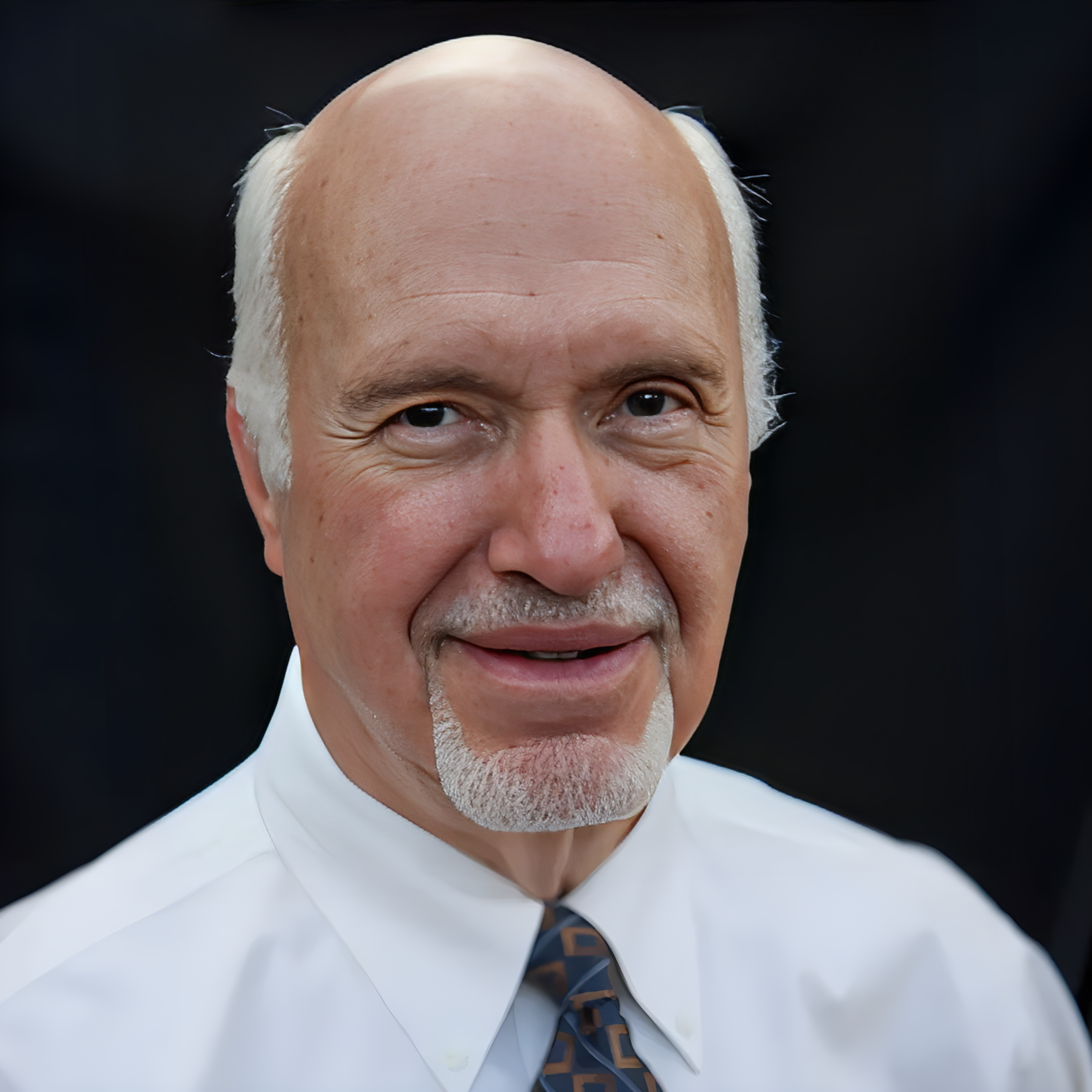
Theodore G. Obenchain, MD
is a native Boisean. He is a 1955, and 1957 graduate of Boise Senior High, and Boise Junior College respectively. After one year at the College of Idaho, he went on to graduate in 1962, from the College of Medicine, University of Utah. He next completed a medical internship at Bellevue Hospital, New York City, in 1963, after which he went on to serve three years in the US Navy, completing tours in Okinawa, Japan, and US Naval Hospital, San Diego. Obenchain pursued his specialty training, most notably at the University of Minnesota, plus five years of neurosurgical specialty training at UCLA School of Medicine.
In 1973, Obenchain was appointed assistant professor of neurological surgery at University of California School of Medicine, San Diego. Here he taught medical school personnel, performed research, and practiced neurological surgery for two years. Still searching for his own professional niche, he then spent two years in private practice in Boise, before moving his enterprise to north county San Diego, in 1977. Here he would remain for the next twenty-six years, providing neurosurgical services to a busy Trauma Service, consulting and evaluating neurological problems, and performing cranial and spinal operations. As a part of his practice Obenchain belonged to numerous neurosurgical societies, both regional and national, including a two-year stint as President of the San Diego Academy of Neurological Surgeons, 1990-1992. In this mid-1970’s era the standard method of lumbar disc surgery involved a midline approach through the back muscles, entering the canal, then working around the nerve sac just to enable visualization of the herniated disc. Great care was necessary to avoid a traction injury to the nerve. Patients commonly spent an average of five days in the hospital, their reactivation slowed by postoperative back and/or leg pain. Aiming to improve on this current state of the art, Obenchain conceived of a radically different, uniquely focal, lateral approach to the spine, achieved by targeting a natural side port called the foramen. In the early 1990’s he began slowly perfecting this approach, while designing the requisite surgical instrumentation–in all, a ten year odyssey. By employing a microscope and the lateral, (side), approach, he could not only visualize and remove the ruptured disc directly, but now no need existed for any nerve root manipulation, a not-infrequent cause of postoperative leg pain. As he gained experience he was delighted to discover that this cohort of patients experienced demonstrably less postoperative pain, requiring only oral pain medications. They could therefore be discharged consistently around three hours after surgery. Dr. Obenchain described his seminal experience using this technique with fifty patients in an article, “Speculum Lumbar Extraforaminal Microdiscectomy,” (The Spine Journal, Vol. 1, No. 6:415-420, 2001). Upon his retirement from active practice, in 2005, Obenchain introduced this operative technique to a select cadre of spinal surgeons who, under the auspices of a major national spine company, taught the technique to practicing spine surgeons throughout the United States. It is now used extensively internationally for operative repair of herniated discs, lumbar arthritic conditions, and for lumbar fusions, all typically achievable on an outpatient basis. Six different patents related to operative methodology and surgical instrumentation design emerged naturally from this prolonged investigative journey.
While still in active practice, Dr. Obenchain published over twenty professional articles covering a variety of medical issues. He also made formal medical presentations internationally in England, France, Canada, Mexico, and beyond. Upon his retirement Obenchain met a new and unexpected challenge– an angst related to his inability to handle the intolerably slow pace of retired life. His dilemma continued until 2008 when he enrolled in a master’s non-fiction writing program at Lesley University, Cambridge, MA. Finally, with his master of fine arts degree in hand, he now felt better equipped to pursue in depth his new interest: medical history of the late nineteenth century, an era in which medicine was just beginning to escape the intellectual bonds of medievalism, by transitioning into modernity. His current non-fiction interests concern the ever-fascinating history of Natural Science, especially Embryology, Paleontology, and Evolution. In retirement, he has written five literary works, three of which have been published at this point:
- THE VICTORIAN VIVISECTION DEBATE: Frances Power Cobbe, Experimental Science and the “Claims of Brutes.” Jefferson N.C.: McFarland & Company, NC, 2012.
- GENIUS BELABORED: Childbed Fever and the Tragic Life of Ignaz Semmelweis. Tuscaloosa: The University of Alabama Press, 2016. Two international radio shows featured Obenchain’s version of Ignaz Semmelweis’ Etiology of Childbed Fever. The first: Canadian Broadcasting Corp, Producer–Nahlah Ayed, “The Dirt on Handwashing,” a one-hour program in summer of 2020. The second: In the summer of 2021, a five-hour program on French radio, the core of information coming from thirteen hours of interviews with Dr. Obenchain. Producer–Christine Lecerf, ([email protected]).
- FROM DARKNESS TO SUNRISE: One Man’s Natural Epiphany, Authors Press, California, USA. www.authorspress.com
- THE HISTORY OF CREATION—Obenchain synopsized the celebrated German naturalist, Ernst Haeckel’s two volume classic, The History of Creation, (reducing approximately 700 pages down to a more digestible eighty-five), for instructional and personal family use. No plans for publication.
- A MATTER OF GRAY AND WHITE: A Chronicle of the Men Who Elucidated the Interconnections of the Human Nervous System. (A 250-page work with 60 illustrations—(Undecided yet re publication)
If Dr. Obenchain were to have a mantra it would, in paraphrased form, be the observation of Rachel Carson, celebrated marine biologist, author of Silent Spring, “Those who dwell daily among the beauties and mysteries of nature will never be alone, nor will they ever grow weary of life. This could serve as a sort of mantra for the website if a good space for such a thing exists.
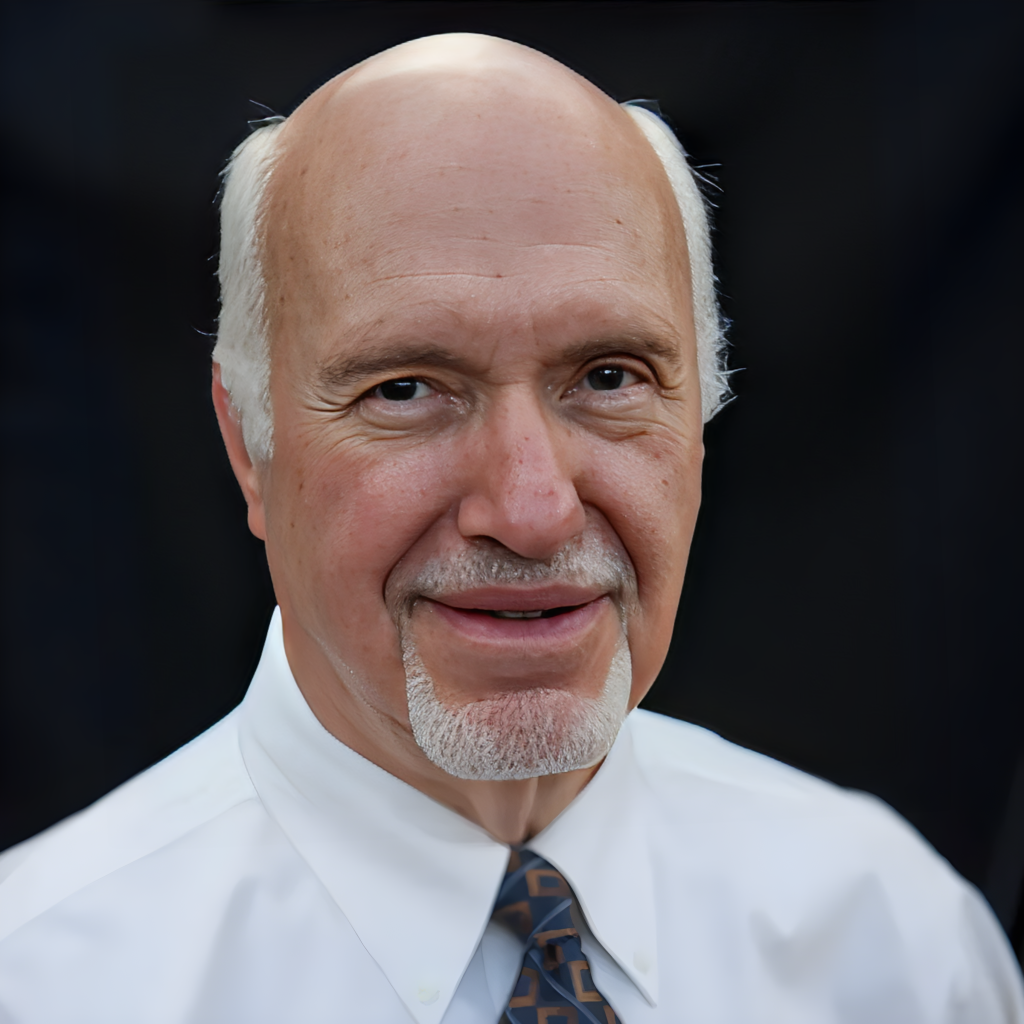
Theodore G. Obenchain, MD
is a native Boisean. He is a 1955, and 1957 graduate of Boise Senior High, and Boise Junior College respectively. After one year at the College of Idaho, he went on to graduate in 1962, from the College of Medicine, University of Utah. He next completed a medical internship at Bellevue Hospital, New York City, in 1963, after which he went on to serve three years in the US Navy, completing tours in Okinawa, Japan, and US Naval Hospital, San Diego. Obenchain pursued his specialty training, most notably at the University of Minnesota, plus five years of neurosurgical specialty training at UCLA School of Medicine.
In 1973, Obenchain was appointed assistant professor of neurological surgery at University of California School of Medicine, San Diego. Here he taught medical school personnel, performed research, and practiced neurological surgery for two years. Still searching for his own professional niche, he then spent two years in private practice in Boise, before moving his enterprise to north county San Diego, in 1977. Here he would remain for the next twenty-six years, providing neurosurgical services to a busy Trauma Service, consulting and evaluating neurological problems, and performing cranial and spinal operations. As a part of his practice Obenchain belonged to numerous neurosurgical societies, both regional and national, including a two-year stint as President of the San Diego Academy of Neurological Surgeons, 1990-1992. In this mid-1970’s era the standard method of lumbar disc surgery involved a midline approach through the back muscles, entering the canal, then working around the nerve sac just to enable visualization of the herniated disc. Great care was necessary to avoid a traction injury to the nerve. Patients commonly spent an average of five days in the hospital, their reactivation slowed by postoperative back and/or leg pain. Aiming to improve on this current state of the art, Obenchain conceived of a radically different, uniquely focal, lateral approach to the spine, achieved by targeting a natural side port called the foramen. In the early 1990’s he began slowly perfecting this approach, while designing the requisite surgical instrumentation–in all, a ten year odyssey. By employing a microscope and the lateral, (side), approach, he could not only visualize and remove the ruptured disc directly, but now no need existed for any nerve root manipulation, a not-infrequent cause of postoperative leg pain. As he gained experience he was delighted to discover that this cohort of patients experienced demonstrably less postoperative pain, requiring only oral pain medications. They could therefore be discharged consistently around three hours after surgery. Dr. Obenchain described his seminal experience using this technique with fifty patients in an article, “Speculum Lumbar Extraforaminal Microdiscectomy,” (The Spine Journal, Vol. 1, No. 6:415-420, 2001). Upon his retirement from active practice, in 2005, Obenchain introduced this operative technique to a select cadre of spinal surgeons who, under the auspices of a major national spine company, taught the technique to practicing spine surgeons throughout the United States. It is now used extensively internationally for operative repair of herniated discs, lumbar arthritic conditions, and for lumbar fusions, all typically achievable on an outpatient basis. Six different patents related to operative methodology and surgical instrumentation design emerged naturally from this prolonged investigative journey.
While still in active practice, Dr. Obenchain published over twenty professional articles covering a variety of medical issues. He also made formal medical presentations internationally in England, France, Canada, Mexico, and beyond. Upon his retirement Obenchain met a new and unexpected challenge– an angst related to his inability to handle the intolerably slow pace of retired life. His dilemma continued until 2008 when he enrolled in a master’s non-fiction writing program at Lesley University, Cambridge, MA. Finally, with his master of fine arts degree in hand, he now felt better equipped to pursue in depth his new interest: medical history of the late nineteenth century, an era in which medicine was just beginning to escape the intellectual bonds of medievalism, by transitioning into modernity. His current non-fiction interests concern the ever-fascinating history of Natural Science, especially Embryology, Paleontology, and Evolution. In retirement, he has written five literary works, three of which have been published at this point:
- THE VICTORIAN VIVISECTION DEBATE: Frances Power Cobbe, Experimental Science and the “Claims of Brutes.” Jefferson N.C.: McFarland & Company, NC, 2012.
- GENIUS BELABORED: Childbed Fever and the Tragic Life of Ignaz Semmelweis. Tuscaloosa: The University of Alabama Press, 2016. Two international radio shows featured Obenchain’s version of Ignaz Semmelweis’ Etiology of Childbed Fever. The first: Canadian Broadcasting Corp, Producer–Nahlah Ayed, “The Dirt on Handwashing,” a one-hour program in summer of 2020. The second: In the summer of 2021, a five-hour program on French radio, the core of information coming from thirteen hours of interviews with Dr. Obenchain. Producer–Christine Lecerf, ([email protected]).
- FROM DARKNESS TO SUNRISE: One Man’s Natural Epiphany, Authors Press, California, USA. www.authorspress.com
- THE HISTORY OF CREATION—Obenchain synopsized the celebrated German naturalist, Ernst Haeckel’s two volume classic, The History of Creation, (reducing approximately 700 pages down to a more digestible eighty-five), for instructional and personal family use. No plans for publication.
- A MATTER OF GRAY AND WHITE: A Chronicle of the Men Who Elucidated the Interconnections of the Human Nervous System. (A 250-page work with 60 illustrations—(Undecided yet re publication)
If Dr. Obenchain were to have a mantra it would, in paraphrased form, be the observation of Rachel Carson, celebrated marine biologist, author of Silent Spring, “Those who dwell daily among the beauties and mysteries of nature will never be alone, nor will they ever grow weary of life. This could serve as a sort of mantra for the website if a good space for such a thing exists.
FROM MEDIEVAL TO CUTTING EDGE: THE RISE OF NATURAL SCIENCE AND ITS AMELIORATIVE EFFECT ON WESTERN CULTURE PART I
GENERAL CONSIDERATIONS: I believe it makes more sense to make my general topic of interest the primary subject of the website, rather than just the two books that we are featuring for, hopefully, Macmillan. That makes me and my interest the main consideration as I see it. Given that, I would break the topic into five sub-topics: 1) About the author and his general interests; 2) Books published; 3) Books written but unpublished; 4) prepared presentation/addresses on history of natural science; 5) Allied/associated presentations.
I-About the author/subject—Take from my CV and other sources—see attached. (Arguably, best presented in the third person, rather than first, but I leave that up to you.
I– I [the author] agree wholeheartedly with Rachel Carson, celebrated marine biologist, author of Silent Spring, who stated, “Those who dwell among the beauties and mysteries of the earth are never alone or weary of life.” She was referring to natural science, also called nat. history or natural philosophy. My [the author’s] main interests revolve around researching and writing about natural/biological history, and the deriviative medical history, especially covering the latter half of the nineteenth century just as these disciplines were transitioning into the modern era. My/his current non-fiction interests concern the history of Science, Embryology, Paleontology, and Evolution. I find it ever-fascinating. I have three completed, but unpublished works in this genre:
II BOOKS PUBLISHED:
- Victorian
- Genius
- Darkness
III BOOKS WRITTEN BUT UNPUBLISHED:
- A MATTER OF GRAY AND WHITE: A Chronicle of the Men Who Elucidated the Interconnections of the Human Nervous System. (A 250-page work with 60 illustrations—(Undecided yet re publication)
- I have completed my first effort at pure fiction, as yet untitled. It concerns a crazed psychiatrist who diabolically murders his adversaries via a unique, supposedly undetectable, form of homicidal surrogacy. (Again, undecided re publication)
- THE HISTORY OF CREATION—I have synopsized the celebrated German naturalist, Ernst Haeckel’s two volume classic, The History of Creation, (approximately 600 pages), for instructional and personal family use. No plans for publication.
IV PRESENTATIONS ON TOPIC OF NATURAL HISTORY: I have multiple power point presentations prepared concerning the origins of natural science/history and its rise from medieval ideation through the pre-cellular era and into the following 100 years and the arrival of the cellular era beginning in 1854.The cellular era lasted for a century, until it was eclipsed in 1953 with the elucidation of the molecular structure of DNA. This was truly revolutionary since the chromosome was now solved, one could noe define what exactly a gene was. It also, over a ten year period led to the elucidation of the process of protein synthesis.Proteins can be viewed as the work horses of life, both floral an faunal since they give structure to organisms, regulate their creation and their daily functions Each presentation is approximately 2 hours
V-ALLIED FOREIGN PRESENTATIONS OF OBENCHAIN’S WORK:
- Canadian Maludd 1 hr/5 hrs
- French Le cerf 5 hrs/13 hrs
Want to learn more about his unique perspective?
EDUCATION
M. D. University of Utah College of Medicine, 1962 Salt Lake City, UT
F. A. Lesley University, Cambridge, MA 2008-2010 (Nonfiction Writing) Cambridge, MA
B. S. College of Idaho 1957-1958, Caldwell, ID
A. A. Boise State University, (Then Boise Junior College) 1955-1957, Boise, ID
Neurological Surgery Resident Training, University of California at Los Angeles School of Medicine, (UCLA), July 1968–July 1973
General Surgery Resident, Highland General Hospital, Oakland, California, July 1967-July 1968
Neurology Resident, University of Minnesota, Minneapolis, Minnesota, November 1966-July 1967
Medical Intern, Bellevue Hospital, (Cornell Service), New York, New York, July 1962-July 1963
Locum Tenens Neurological Surgery Practice
Lourdes Hospital, Paducah, KY, September 2004 to September 2005
Multiple Mid-Western States, (MO, South Dakota, KY, ID, CA, January 2004- August 2007
Self Employed Neurosurgical Practice
Escondido, California, 1977-2003
Dr. Obenchain was responsible for managing a general neurological surgery practice, covering a busy trauma service, providing neurosurgical evaluations and consultations, and performing cranial and spinal operations.
Over the course of a decade, Dr. Obenchain conceived and developed a less-invasive outpatient operative procedure for lumbar disc surgery. He, along with a surgical team, performed the first-ever outpatient laparoscopic lumbar discectomy (Published in the Journal of Laparoendoscopic Surgery, 1#3: 145-149, 1991). Over the following seven years, he evolved this laparoscopic technique into an outpatient posterolateral approach with discectomy performed through a natural side-portal (transforaminal) approach. This operative technique has since been taught across the United States beginning in 2005 and is now extensively used internationally for the operative repair of herniated discs, lumbar spondylosis, and for lumbar fusions, typically performed on an outpatient basis. His seminal experience with this technique is detailed in an article, “Speculum Lumbar Extraforaminal Microdiscectomy,” The Spine Journal, Vol. 1, No. 6: 415-420, 2001.
Boise, Idaho, 1975-1977, Dr. Obenchain was in private practice of neurological surgery. He served on the staff at both St. Alphonsus and St. Luke’s Hospitals during this time.
Assistant Professor of Neurological Surgery, University of California School of Medicine, San Diego, 1973-1975.
Dr. Obenchain taught in the medical school, conducted research, and practiced neurological surgery.
U.S. Navy Medical Corp, 1963-1964
General Medical Officer, U.S. Naval Hospital San Diego, 1964-1966
Headquarters Battalion Surgeon, 3rd Marine Division, Fleet Marine Force, Okinawa, Japan-July 1963-August 1964.
Dr. Theodore G. Obenchain Endowed Chair in Developmental Biology.
Dr. Theodore was named a Distinguished Alumnus of Boise State University in 2023.
- THE VICTORIAN VIVISECTION DEBATE: Frances Power Cobbe, Experimental Science and the “Claims of Brutes.” Jefferson N.C.: McFarland & Company, INC., 2012.
- GENIUS BELABORED: Childbed Fever and the Tragic Life of Ignaz Semmelweis. Tuscaloosa: The University of Alabama Press, 2016. Two international radio shows featured my version of Ignaz Semmelweis’ Etiology of Childbed Fever. The first-Canadian Broadcasting Corp, Producer–Nahlah Ayed, “The Dirt on Handwashing,” a one-hour program in summer of 2020. The second was a five-hour program on French radio, (I was interviewed for thirteen hours), in the summer of 2021. Producer–Christine Lecerf, ([email protected]).
- FROM DARKNESS TO SUNRISE: One Man’s Natural Epiphany, Newman Springs Publishing, Red Bank NJ, 2022.
- A MATTER OF GRAY AND WHITE; A Chronicle of the Men Who Elucidated the Gross and Microscopic Innervation of the Human Nervous System. (Unpublished)
- Another untitled/unpublished work of fiction concerning a troubled psychiatrist who seeks revenge on his enemies by diabolically murdering them in a theoretically undetectable manner via surrogacy.
Obenchain, T.G., Clark, R., Hanafee, W., and Wilson, G.: “Complication Rate of Selective Cerebral Angiography in Infants and Children: A Comparison with Similar Adult Series” Radiology. 95:667-73, June 1970
Clark, R., Obenchain, T.G., Hanafee, W., Wilson, G.:” Pneumoencephalography, Comparison of Complications in 100 Pediatric and 100 Adult Cases.” Radiology. 95:675-78, June 1970
Hirsch, H.E. and Obenchain, T. G.: “Neural Acid Phosphatase in Chromatolysis. Acid Phosphatase Levels in Individual Neurons During Chromatolysis. A Quantitative Histochemical Study.” J. Histochemistry and Cytochemistry. 18:825-33, 1980
Obenchain, T. G., Crandall, P.H. and Hepler, R. S.: “Blindness Following Relief of Increased Intracranial Pressure.” Bull. Of L.A. Neurol. Socs., Sp. 147-52, October, 1970
Obenchain, T. G., Becker, D. P.: “Abscess Formation in a Rathke’s Cleft Cyst.” J. Neurosurg. 36: 359-62, 1972
Obenchain, T. G., Becker, D.P.: “RISA Cisternography and Diagnostic Radiology in Evaluation of Chronic Subdural Hematoma of Infancy.” In Cisternography and Hydrocephalus. Harbert, J. C., Ed., pp. 92-94, 1972
Obenchain, T.G., Becker, D. P., Stern, W. E.: “Subdural Peritoneal Shunting for Chronic subdural Hematoma of Infancy.” Neurosurgery Review. Walker, A.E., January, 1970
Obenchain, T. G., Killeffer, F. A., Stern, W. E.: “Indirect Injury to the Optic Nerves and Chiasm with Closed Head Injury: Report of Three Cases.” Bull. of the L.A. Neurol. Society., 1973
Obenchain, T. G., Stern, W. E.: “Continuous Monitoring of Ventricular Pressure in Experimental Hydrocephalus, Part I, The Dynamics of Acute Ventricular Obstruction.” Arch. Neurol. 29:287-94, November, 1973
Obenchain, T. G., Stern, W. E.: “Continuous Monitoring of Ventricular Fluid Pressure in Experimental Hydrocephalus, Part II, The Origin of Undulating Ventricular Waves and Periodic Respirations.” Arch. Neurol. 29:295-98, November, 1973
Obenchain, T. G., “Shunts for Hydrocephalus” Appeared in Contributions of Surgical Research to Health Care, 1945-1970, edited by Marshall Orloff, M. D., pp. A241, 1974
McKinley, L. M., Obenchain, T. G.: “Posterior Perpedunculur Spinal Decompression.” Proceedings of the 4th International Conference of Cotrel-Dubousset Instrumentation. May/June, 1988
Obenchain, T. G.: “Laparoscopic Lumbar Discectomy.” Journal of Laparoendoscopic Surgery, 1 #3: 145-149, 1991
Obenchain, T. G., Cloyd, D., Savin, M.: “Outpatient Laparoscopic Lumbar Discectomy.” In Orthopedic and Spine Surgery. Surgical Technology International. II. pp. 415-18, 1993
Obenchain, T. G., Cloyd, D., Savin, M.: “Transperitoneal Laparoscopic Approach to Lumbar Discectomy” In Surgical Laparoscopy & Endoscopy, Vol. 5, No. 2, pp. 85-89, 1995
Obenchain, T. G., Cloyd, D.: “Laparoscopic Lumbar Discectomy: Description of Transperitoneal and Retroperitoneal Techniques.” Neurosurgical Clinics of North America, Vol. 7, No. 1, page 77, January 1996
Cloyd, D., Obenchain, T. G.: “Laparoscopic Lumbar Discectomy.” Seminars in Laparoscopic Surgery, Vol. 3, No. 2, pp. 95-102, June 1996
Obenchain, T. G.: “Speculum Lumbar Extraforaminal Microdiscectomy.” The Spine Journal, Vol. 1, No. 6, pp. 415-420, November/December 2001
PATENTS Dr. Obenchain owns 6 patents, four of which are listed below.
5,195,541 Method of Performing Laparoscopic Lumbar Discectomy
5,313,962 Method of performing Laparoscopic Lumbar Discectomy
6,869,398,B2 Four Blade Surgical Speculum
Pending: Application # 10/462,308 Method and Apparatus for Stabilization of the Facet Joint
MEMBERSHIPS
Certified:
American Board of Neurological Surgeons, January 1976
Past President San Diego Academy of Neurological Surgeons, 1990-1992
Scholastic Honorary Societies
Phi Theta Kappa
SCARABS
Upon retirement I resigned from memberships below:
American Association of Neurological Surgeons
Congress of Neurological surgeons
North American Spine Society
California Association of Neurological Surgeons
Western Neurosurgical Society
San Diego Academy of Neurological Surgeons–(Past President 1990-1991, and 1991-1992)
National Coalition of Independent Scholars
The Rise of Natural Science: As a long-time student of natural science, Dr. Obenchain has curated two several-hour PowerPoint presentations on the history of natural science, tracing its development from its medieval seventeenth-century origins to its more modern iteration known as molecular science. The first lecture is titled “The Rise of Natural Science and Its Effect on Western Culture.” The second presentation is “The Advent of Molecular Science.” These topics are also mentioned in the master sheet.
“Posterior Perpeduncular Spinal Canal Decompression,” McKinley, L. M., Obenchain, T. G., Fourth Proceeding of the International Congress of Cotrell Dubousset Instrumentation, Monte Carlo, Monaco, 1987
“Surgical Treatment of Spondylotic Lumbar Hypermobility,” Obenchain, T. G., McKinley, L. M., Western Neurosurgical Society, Laguna Niguel, CA, September, 1988
“Surgical Treatment of Spondylotic Lumbar Hypermobility,” Obenchain, T. G., McKinley, L. M., Joint Section of Disorders of the Spine and Peripheral Nerves, AANS/CNS, Cancun, Mexico, February 14, 1989
“Laparoscopic Lumbar Discectomy; Preliminary Results,” Obenchain, T. G., Cloyd, D., Savin, M., International Intradiscal Therapy Society, Nice, France, April, 11, 1992
“Transperitoneal Laparoscopic Approach to Lumbar Discectomy,” Cloyd, D., Obenchain, T. G., Third World Congress of Endoscopic Surgery, Bordeaux, France, June 21, 1992
“Outpatient Laparoscopic Lumbar Discectomy,” Obenchain, T. G., Cloyd, D., Savin, M., Western Neurosurgical Society, Whistler Resort, B. C., Canada, September 22, 1992
A–My main interests revolve around researching and writing about medical, and biological history, especially covering the latter half of the nineteenth century just as these disciplines were transitioning into the modern era. My current non-fiction interests concern the history of Science, Embryology, Paleontology, and Evolution. I find it ever-fascinating. I agree wholeheartedly with Rachel Carson, celebrated marine biologist, author of Silent Spring, who stated, “Those who dwell among the beauties and mysteries of the earth are never alone or weary of life.” I have three completed, but unpublished works in this genre:
- THE HISTORY OF CREATION—I have synopsized the celebrated German naturalist, Ernst Haeckel’s two volume classic, The History of Creation, (approximately 600 pages), for instructional and personal family use. No plans for publication.
- A MATTER OF GRAY AND WHITE: A Chronicle of the Men Who Elucidated the Interconnections of the Human Nervous System. (A 250-page work with 60 illustrations—(Undecided yet re publication)
- I have completed my first effort at pure fiction, as yet untitled. It concerns a crazed psychiatrist who diabolically murders his adversaries via a unique, supposedly undetectable, form of homicidal surrogacy. (Again, undecided re publication)
B–Extensive travel throughout Asia (Okinawa, Viet Nam, Thailand) and Europe
C–Alpine skiing
D–Physical fitness devotee exceeding 50 years
