Etiology, Concept and Prophylaxis of Childbed Fever (Volume 2) (Wisconsin Publications in the History of Science and Medicine)
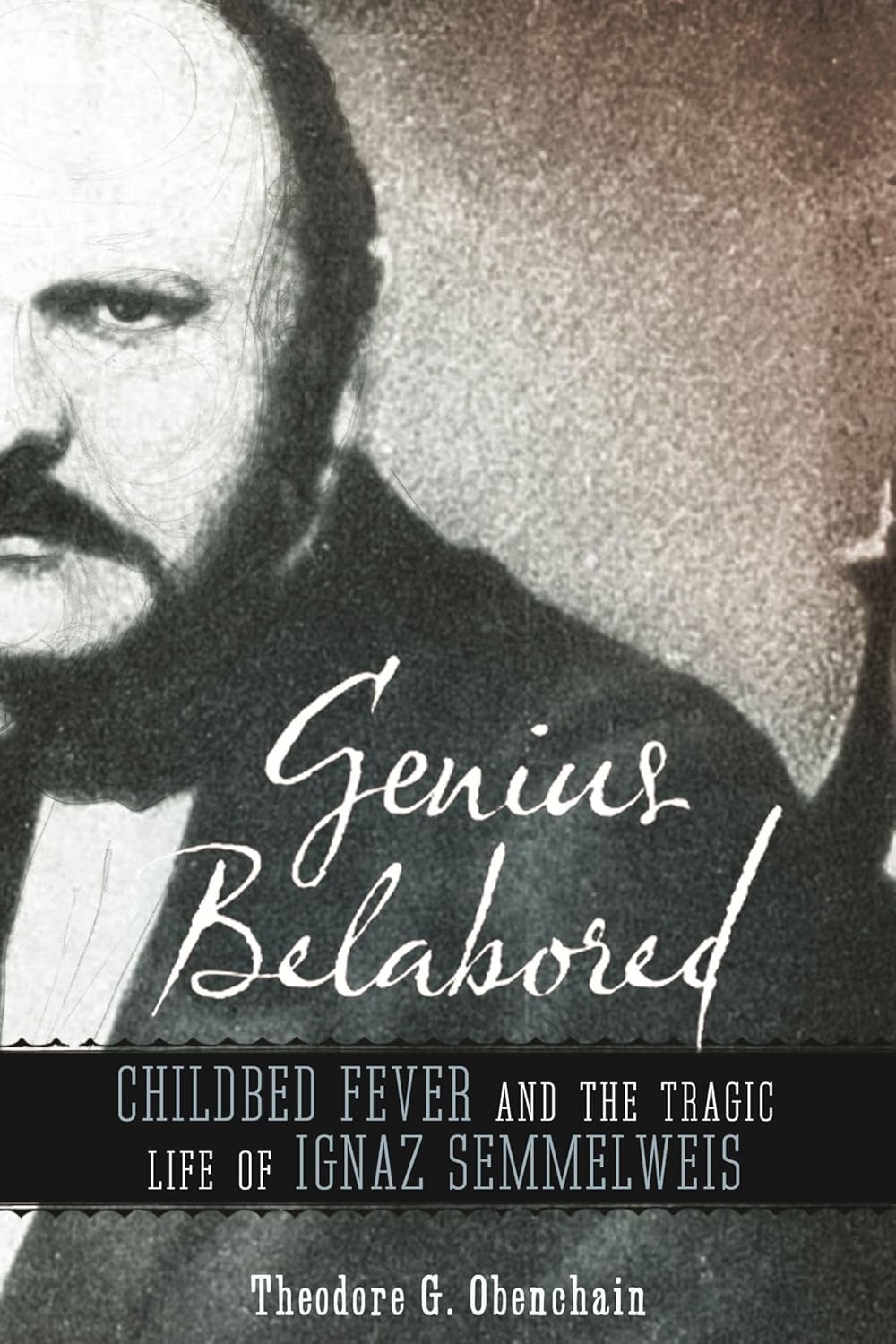
In 1859 a Hungarian obstetrician named Ignaz Semmelweis, reflecting on his years as resident in the Vienna maternity clinic, wrote a graphic account of his attempt to diagnose and eliminate the then epidemic scourge of childbed fever. The resulting Etiology triggered an immediate and international squall of protest from Semmelweis’s colleagues; today it is recognized as a pioneering classic of medical history. Now, for the first time in many years, Codell Carter makes that classic available to the English-speaking reader in this vivid translation of the 1861 original, augmented by footnotes and an explanatory introduction. For students and scholars of medical history and philosophy, obstetrics and women’s studies, the accessibility of this moving and revolutionary work, important both as an historical document and as a groundbreaking precursor of modern medical theory, is long overdue.
Semmelweis’s exposure to the childbed fever was concurrent with his appointment to the Vienna maternity hospital in 1846. Like many similar hospitals and clinics in the major cities of nineteenth-century Europe and America, where death rates from the illness sometimes climbed as high as 40 percent of admitted patients, the Viennese wards were ravaged by the fever. Intensely troubled by the tragic and baffling loss of so many young mothers, Semmelweis sought answers. The Etiology was testimony to his success. Based on overwhelming personal evidence, it constituted a classic description of a disease, its causes, and its prevention. It also allowed a necessary response to the obstetrician’s already vocal, rabid, and perhaps predictable critics. For Semmelweis’s central thesis was a startling one – the fever, he correctly surmised, was caused not by epidemic or endemic influences but by unsterilized and thus often contaminated hands of the attending physicians themselves.
Carter’s translation of this radical work, judiciously abridged and extensively footnoted, captures all the drama and impassioned conviction of the original. Complementing this translation is a lucid introduction that places Semmelweis’s Etiology in historical perspective and clarifies its contemporary value. That value, Carter argues, is considerable. Important as a model of clinical analysis and as a chronicle of early nineteenth-century obstetrical practices, the Etiology is also a revolutionary polemic in its innovative doctrine of antisepsis and in its unique etiological explanation of disease. As such its recognition and reclamation allows a crucial understanding, one that clarifies the roots and theory of modern medicine and ultimately redeems and important, resolute, pathfinder.
Testimonial
What They Say
I've read several biographies of Dr. Semmelweis as part of my research for a novel I'm writing about childbed fever. I found this biography to be the most definitive resource for my needs. Anyone wanting to know more about Dr. Semmelweis should start with this one.
This is an historical account of the story of Dr. Semmelweis, who spent years dealing with effects of a theory of infection and the need for sterilization without being able to fully articulate the theory and draw out its implications for practice.
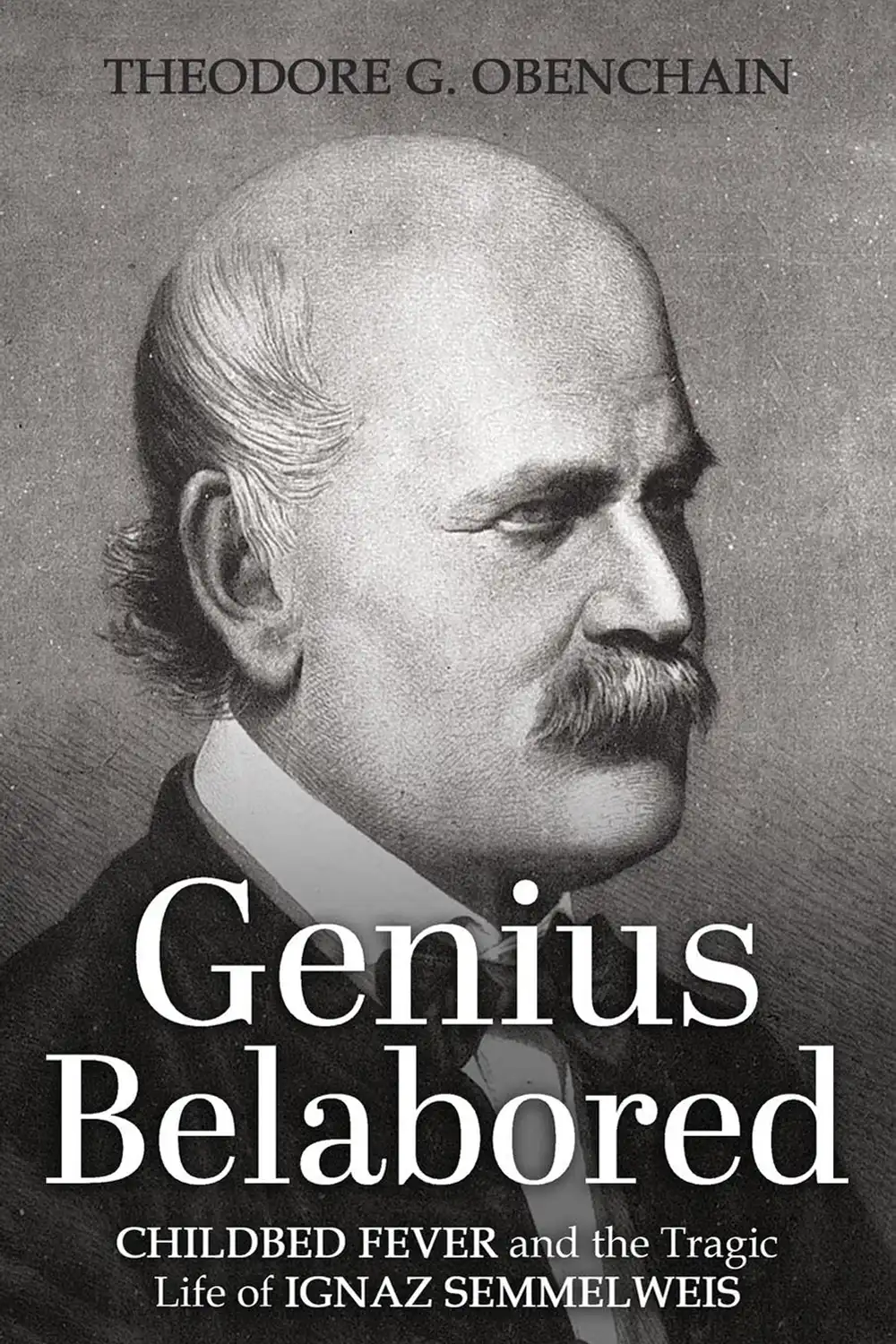
A carefully written, authoritative and exhaustively researched work by a retired Neurologist, summarizing not only the life and work of Semmelweis but additionally providing a medically grounded insight into some of the purported causes of his mental illness and death.
I know the author, worked with him at a a local hospital when he was a fantastic nuerosurgeon. I can't wait for his next book.because he is as good a writer as he was neurosurgeon.
I was modestly interested in the ethics of animal experimentation when I started this book and there is a lot here for readers who have this interest. What made this book so great for me was it's depiction of the birth of modern medicine in the mid to late 1800's.
Obenchain's account of Semmelweis's career is highly enjoyable. Its medical detail is impressive and exceeds that other account of the doctor's life. Obenchain's argument that Semmelweis suffered from bipolar disorder is original, and no other work has supported the hypothesis of Semmelweis's mental illness so thoroughly.

I know the author, worked with him at a a local hospital when he was a fantastic nuerosurgeon. I can't wait for his next book.because he is as good a writer as he was neurosurgeon.
I was modestly interested in the ethics of animal experimentation when I started this book and there is a lot here for readers who have this interest. What made this book so great for me was it's depiction of the birth of modern medicine in the mid to late 1800's.
From DARKNESS to SUNRISE is a very well written and unique use of the combination of a fictional character's story combined with historical facts and science. It was extremely interesting that the character took the role of the author as the researcher and reviewer of the historical data and science that was described.
Obenchain's account of Semmelweis's career is highly enjoyable. Its medical detail is impressive and exceeds that other account of the doctor's life. Obenchain's argument that Semmelweis suffered from bipolar disorder is original, and no other work has supported the hypothesis of Semmelweis's mental illness so thoroughly.